
EU Intensifies Action on Water Resilience as World Day Highlights Rangelands
On 17 June, marked globally as World Desertification and Drought Day, the European Union has renewed its commitment to tackling the growing challenges of water scarcity, land degradation, and climate stress. This year’s observance places special emphasis on rangelands—vast natural landscapes used primarily for livestock grazing—underscoring their critical role in sustaining ecosystems, economies, and cultural traditions.
The annual event serves as a stark reminder of the escalating pressures caused by desertification and prolonged drought. These environmental threats continue to disrupt food systems, weaken economic stability, and harm social well-being worldwide. Within the EU alone, desertification affects 13 member states, while soil degradation is estimated to result in economic losses of around €50 billion each year.
In response to these challenges, the EU is advancing its Water Resilience Strategy, aimed at addressing the mounting global water crisis. This initiative targets key drivers such as overexploitation of water resources, inefficient management practices, climate change, biodiversity loss, and pollution. By strengthening water resilience, the EU seeks to safeguard economic development, environmental sustainability, and public security.
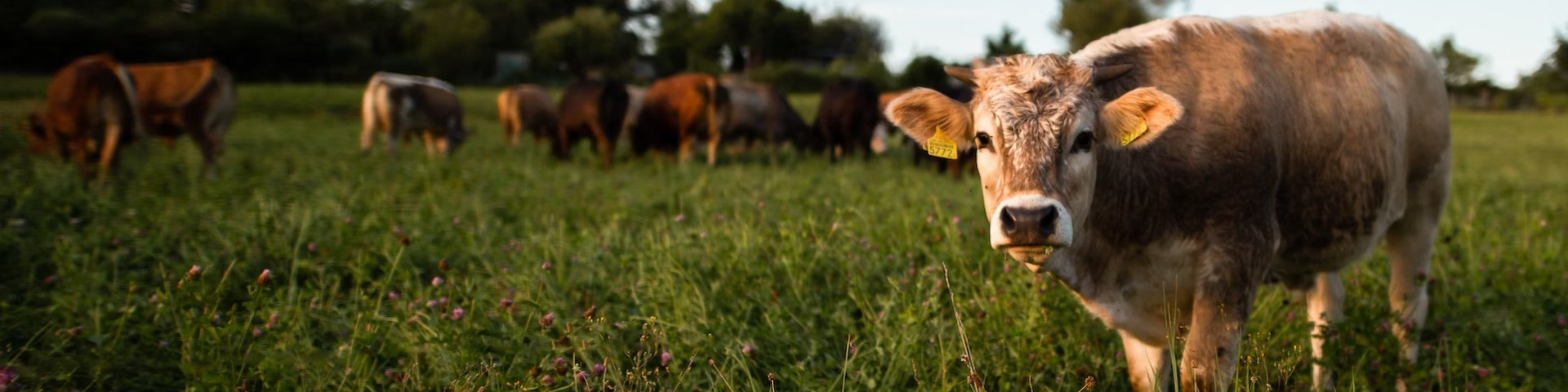
A central theme this year is the protection and restoration of rangelands. These ecosystems are being highlighted for their ecological importance, economic contributions, and cultural value. Efforts are focused on supporting pastoral communities—traditional stewards of these lands—while promoting restoration initiatives. This aligns with the International Year of Rangelands and Pastoralists, which aims to elevate the recognition of these landscapes as essential global ecosystems.
Looking ahead, the EU is preparing to play a key role at the United Nations Convention to Combat Desertification (UNCCD COP17), scheduled for August in Ulaanbaatar, Mongolia. The bloc intends to strengthen partnerships and deliver on international commitments to combat land degradation, drought, and desertification.
In the lead-up to the conference, a high-level dialogue titled “Restoring Land, Restoring Hope: Road to UNCCD COP17” was held in Brussels on 5 May. Co-organised by the European Commission, the Government of Mongolia, and the United Nations, the event highlighted the urgent need to mobilise both public and private financing to support land restoration efforts worldwide.
Participants also stressed the importance of inclusive participation. Women and girls, who often play a crucial role in land management, must be fully involved to ensure successful on-the-ground implementation. Likewise, civil society organisations (CSOs) are seen as vital partners in advancing meaningful outcomes and ensuring long-term impact.
The EU has reaffirmed its support for these stakeholders, backing initiatives such as preparatory meetings for CSOs and training programmes for women negotiators from developing countries. Additional support mechanisms include the UNCCD’s Women Delegates Fund, designed to promote greater gender representation in decision-making processes.
European Commissioner for Environment, Water Resilience and a Competitive Circular Economy, Jessika Roswall, emphasised the urgency of the issue, stating that land degradation and drought are already affecting millions of lives and threaten global food security and climate stability. She called for stronger international cooperation and sustainable land and water management to secure the future for coming generations.
The EU’s renewed focus is rooted in broader policy objectives outlined by European Commission President Ursula von der Leyen for the 2024–2029 period. These include the development of a comprehensive Water Resilience Strategy that ensures sustainable management of water resources, tackles scarcity, and strengthens the competitiveness and innovation of the EU’s water sector through circular economy principles.
Globally, the urgency is clear: freshwater demand is projected to exceed supply by 40% by 2030. Enhancing water resilience is therefore seen as essential not only for environmental protection but also for preventing future crises related to health, food, and energy security.
As the world grapples with the interconnected challenges of climate change, biodiversity loss, and pollution, the EU is calling for coordinated solutions that integrate nature-based approaches and ecosystem restoration. The message from this year’s observance is clear—collective action is needed now to restore land, protect water resources, and build a more resilient future.